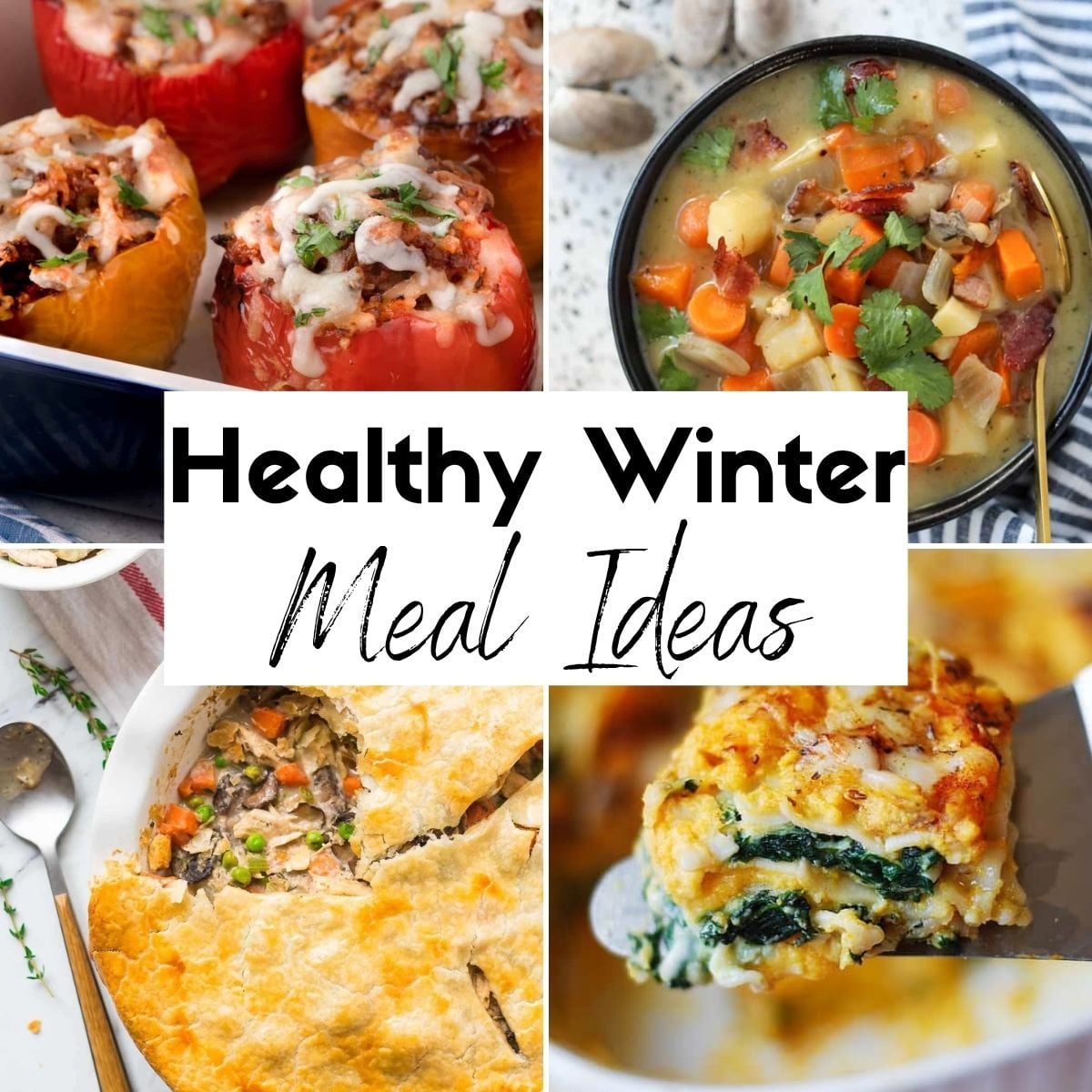
Why Healthy Winter Meal Prep is Your Cold-Weather Ally
As the days grow shorter and the air turns crisp, there's an undeniable allure to hearty, warming foods. Winter often brings with it a craving for comfort – creamy pastas, rich stews, and sweet treats that promise to ward off the chill. While indulging occasionally is part of life's pleasure, consistently reaching for high-calorie, less nutritious options can leave us feeling sluggish, impacting our energy and overall well-being. This is where healthy meal prep for winter emerges as your ultimate strategy for navigating the colder months with both warmth and wellness.
Imagine this: You arrive home after a long, chilly day, tired and hungry. Instead of facing an empty fridge, the daunting task of cooking from scratch, or the temptation of a quick, unhealthy takeout, you open your refrigerator to find a delicious, already-prepared, nourishing meal awaiting. That moment of calm, convenience, and satisfaction is the core promise of smart winter meal prepping. It's about taking control of chaotic evenings, making healthy choices effortless, and ensuring your body receives the vital nutrients it needs when the weather demands more from you.
Beyond convenience, effective meal prep is a powerful tool for stress reduction. The mental load of daily meal planning, grocery shopping, and cooking can be significant. By dedicating a few hours each week to preparation, you free up invaluable time during busy weekdays, allowing for more rest, relaxation, or quality time with loved ones. It's a proactive step towards a healthier lifestyle, turning "I don't have time to eat well" into "My healthy meal is ready and waiting."
Embracing Seasonal Superfoods: The Foundation of Winter Wellness
Eating seasonally is a cornerstone of a truly nourishing diet, and winter, despite its perceived scarcity, offers a vibrant array of vegetables packed with essential vitamins and minerals. These natural treasures are often at their peak flavor and nutritional value during their respective seasons, making them ideal for your winter meal prep efforts. Forget the notion that healthy winter eating means bland salads – it’s about embracing the robust flavors and comforting textures that nature provides.
Some of our favorite winter vegetables include:
- Cabbage: Inexpensive and incredibly versatile, perfect for slaws, stir-fries, or braised dishes.
- Cauliflower: A low-carb hero that can be roasted, mashed, or turned into "rice" or "steaks."
- Brussels Sprouts: Roasting brings out their sweet, nutty flavor, transforming them from a childhood foe into a culinary friend.
- Onions: The aromatic base for countless dishes, adding depth and sweetness when caramelized.
- Sweet Potatoes: Rich in beta-carotene, these are fantastic roasted, mashed, or cubed into stews.
- Kale: A powerhouse of nutrients, great in soups, sautéed, or massaged into salads.
- Beets: Earthy and sweet, excellent roasted, boiled, or grated raw into salads.
- Carrots: Versatile and naturally sweet, essential for soups, stews, and roasted vegetable medleys.
- Spinach: While it grows slower, fresh spinach still offers a quick nutrient boost to any dish, wilting beautifully into warm meals.
Incorporating these seasonal vegetables ensures your Nourishing Winter Meal Prep: Make-Ahead Recipes for Every Meal are brimming with flavor and essential nutrients. They provide the fiber needed for digestive health, the antioxidants to support immunity, and the sustained energy to combat winter fatigue. Focus on roasting large batches of these vegetables at the start of the week; they can then be added to grain bowls, soups, curries, or served as a side dish, making your subsequent meal assembly quick and easy.
Crafting Comforting and Nutritious Meals for Every Occasion
The beauty of healthy meal prep for winter lies in its adaptability. You can prepare delicious, make-ahead dishes for any meal of the day, ensuring you stay nourished and energized from morning until night.
- Hearty Breakfasts: Don't skip the most important meal. Prepare overnight oats with seasonal fruits, nuts, and a touch of cinnamon. Savory egg muffins packed with sautéed winter greens and onions are also excellent for grab-and-go mornings. Another idea is to batch-cook a large pot of steel-cut oatmeal, portioning it out and reheating with fresh toppings each day.
- Soul-Warming Lunches: Move beyond the sad desk salad. Think hearty minestrone, creamy (dairy-free) tomato soup, or a robust lentil soup. Leftover curries or chili from dinner make fantastic lunch options. Mason jar salads, layered with dressing at the bottom and greens on top, are still an option if you choose heartier ingredients like roasted chickpeas, quinoa, and root vegetables.
- Satisfying Dinners: This is where winter meal prep truly shines. Large batches of chicken and vegetable curry, beef stew with root vegetables, slow-cooker chili, or casseroles featuring roasted chicken and cauliflower can be portioned and refrigerated or frozen. These meals reheat beautifully, offering instant comfort without the evening cooking rush. Consider incorporating lean proteins to keep you feeling full and satisfied, contributing to Winter Wellness: High-Protein Meal Prep for Cold Weather Comfort.
Mastering the Art of Filling Soups: More Than Just Broth
Soups are synonymous with winter comfort, but they can sometimes leave us feeling hungry shortly after. The secret to making soups truly satisfying and a complete meal lies in strategically adding ingredients that boost their nutritional density, texture, and staying power. Here’s how to elevate your winter soups:
- Add Beans and Lentils: Legumes are nutritional powerhouses. Chickpeas, black beans, cannellini beans, and various lentils instantly add significant protein and fiber, making your soup much more substantial. They also lend a lovely, creamy texture to the broth without requiring heavy creams or excessive starches. Think of a rich black bean soup or a hearty lentil dahl.
- Incorporate Whole Grains: Cooked grains like quinoa, barley, farro, or brown rice are excellent for bulking up any soup. They absorb the delicious flavors of the broth and ingredients, offering a satisfying chew and an extra dose of complex carbohydrates for sustained energy. Add them towards the end of cooking or stir them into individual servings if you prefer to maintain their texture.
- Use Root Vegetables Generously: Sweet potatoes, carrots, parsnips, and various types of squash (butternut, acorn) are winter staples for a reason. When roasted or simmered in a soup, they contribute natural sweetness and a creamy texture, especially when partially blended. Beyond taste, they're loaded with vitamins and fiber, creating a more substantial and nutritionally dense broth base.
- Stir in Leafy Greens: Simple yet effective. Spinach, kale, Swiss chard, or even collard greens are fantastic for increasing the volume and nutritional content of your soup. Added towards the end of cooking, they wilt quickly, providing a vibrant color and a boost of vitamins A, C, and K, along with valuable fiber.
- Add Protein-Packed Ingredients: Beyond legumes, lean proteins are crucial for satiety. Shredded chicken, turkey, crumbled tempeh, cubed tofu, or even poached eggs (like in an egg drop soup) can transform a light broth into a robust meal. Pre-cook your protein and add it to individual portions for optimal freshness and texture.
- Build on a Rich, Flavorful Broth: The foundation matters. A homemade bone broth or a high-quality, store-bought vegetable broth will significantly enhance the depth of flavor in your soup. Don't underestimate the power of a well-seasoned base to make every spoonful more appealing and satisfying.
- Layer Your Spices and Aromatics: Beyond the basic salt and pepper, experiment with herbs like thyme, rosemary, bay leaves, or spices like cumin, coriander, and smoked paprika. Sautéing onions, garlic, and celery as your initial aromatics creates a flavor base that will permeate the entire soup, making it more complex and inviting.
- Don't Forget Healthy Fats: A drizzle of high-quality olive oil, a swirl of coconut milk, a dollop of avocado, or a sprinkle of toasted nuts and seeds (like pumpkin or sunflower seeds) can add healthy fats, enhancing flavor, satiety, and nutrient absorption. These healthy fats help you feel full longer and add a luxurious mouthfeel to your creation.
Practical Tips for Stress-Free Winter Meal Prepping
Making healthy meal prep for winter a sustainable habit requires a strategic approach. Here are some actionable tips to streamline your process:
- Plan Your Week: Dedicate a specific time each week (e.g., Sunday afternoon) to plan your meals, create a grocery list, and do your shopping. Having a clear plan minimizes stress and impulse buys.
- Invest in Quality Containers: Airtight, microwave-safe, and freezer-safe containers are your best friends. Glass containers are excellent for reheating and durability. Consider various sizes for different portion needs.
- Batch Cook Staples: Cook large quantities of versatile ingredients like quinoa, brown rice, roasted chicken, or a big batch of roasted root vegetables. These can be mixed and matched into different meals throughout the week.
- Utilize Your Freezer: Many winter meals, especially soups, stews, and casseroles, freeze beautifully. Prepare double batches and freeze half for future busy days. Label everything clearly with the date.
- Vary Your Meals (But Keep It Simple): While variety is good to prevent boredom, don't overcomplicate your prep. Choose 2-3 main recipes for the week and cycle through them. You can always vary sides or seasonings.
- Chop and Store: Pre-chop vegetables like onions, carrots, and celery, or wash and tear leafy greens. Store them in airtight containers, ready to be tossed into a pan or pot when needed.
- Listen to Your Body: Pay attention to what makes you feel good. Some days you might crave a lighter soup, others a heartier stew. Your meal prep should support your well-being, not restrict it.
Embracing healthy meal prep for winter is more than just a culinary hack; it's a lifestyle choice that champions wellness, efficiency, and peace of mind. By prioritizing nourishing, warm, and comforting meals, you can transform the colder months from a battle against cravings into a season of sustained energy, robust health, and delightful culinary experiences. Take control of your winter plate, and enjoy the delicious journey to a healthier, stress-free you.
