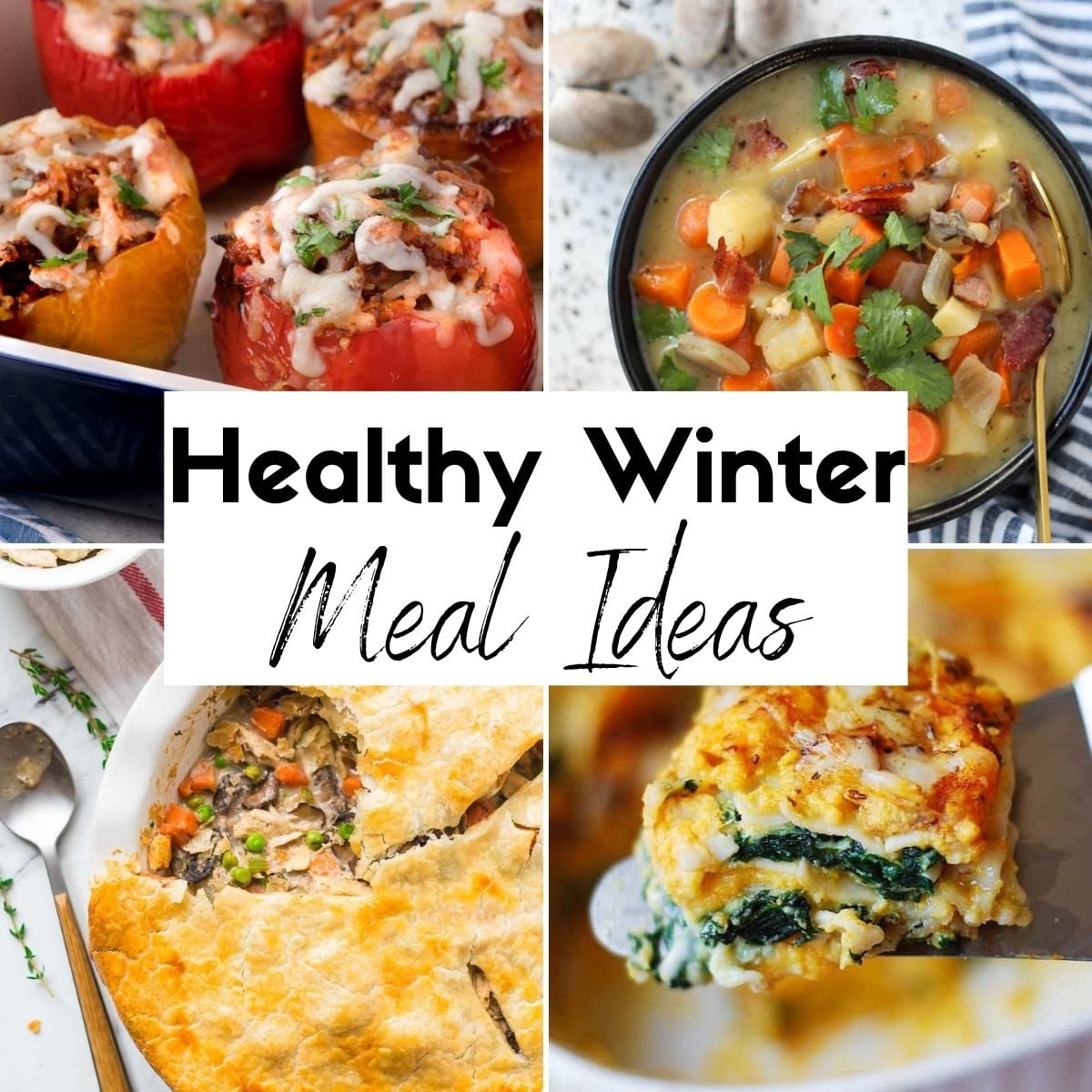
As the days grow shorter and the chill of winter truly sets in, our cravings shift from light salads to deeply comforting, warm, and nourishing meals. The allure of creamy pasta or indulgent cookies after a freezing day can be powerful, often sidelining even the best intentions for healthy eating. This is where the magic of Warm & Healthy: Your Guide to Stress-Free Winter Meal Prep steps in, transforming chaotic weeknights into moments of culinary calm. Imagine opening your fridge to find a wholesome, homemade meal ready to simply heat and enjoy. That's the power of proactive planning, making healthy meal prep for winter not just a convenience, but a cornerstone of your seasonal wellness strategy.
The Winter Meal Prep Advantage: Why Plan Ahead?
Juggling the demands of work, home, and family can leave precious little time for daily cooking, especially when everyone yearns for a cozy, satisfying meal. The beauty of winter meal prep lies in its ability to simplify your life, offering ready-made solutions that nourish your body and soothe your soul. Thinking ahead transforms evenings from frantic cooking marathons into peaceful moments of enjoyment, providing a much-needed sense of order amidst the holiday rush and general winter blues.
Beyond the undeniable convenience, a structured approach to healthy meal prep for winter brings a host of benefits:
- Consistent Nutrition: Ensures you're consistently fueling your body with nutrient-dense ingredients, supporting your immune system against winter bugs.
- Time & Stress Savings: Frees up valuable time during busy weekdays, reducing the mental load of deciding what to cook every single night.
- Cost-Effective: Reduces impulsive takeout orders and minimizes food waste by utilizing ingredients efficiently.
- Portion Control: Helps maintain healthy eating habits by preparing appropriate serving sizes in advance.
- Emotional Comfort: There's a profound sense of warmth and well-being that comes from knowing a delicious, homemade meal is just minutes away, especially when the weather outside is frightful.
Crafting a Healthy Winter Menu: Ingredients & Inspiration
Eating healthy during winter doesn't mean sacrificing comfort or flavor. In fact, it's an opportunity to embrace hearty, warming dishes that naturally lend themselves to make-ahead strategies. The key is to focus on ingredients that are seasonal, robust, and packed with nutrients designed to keep you energized and well when the temperatures drop and days shorten. Forget the flimsy salads; winter calls for robust, warming fare that provides sustained energy and deep satisfaction.
Essential Winter Vegetables
To stay healthy and properly nourished throughout the colder months, fill your plate with the bounty of seasonal winter vegetables. These hardier plants are not only delicious but also rich in vitamins, minerals, and fiber. Some of my favorites that thrive in winter include:
- Cabbage: Inexpensive and versatile, perfect for slaws, stir-fries, or braised dishes.
- Cauliflower: Excellent roasted, mashed, or added to curries and soups for a creamy texture.
- Brussels Sprouts: Roasting brings out their sweet, nutty flavor, making them a delicious side or addition to grain bowls.
- Onions & Garlic: Staples that form the aromatic base of countless warming dishes, offering immune-boosting properties.
- Sweet Potatoes & Squash: Naturally sweet and incredibly versatile for roasting, mashing, or adding to stews and chilis.
- Kale & Swiss Chard: Hearty greens that stand up well to cooking and add a powerful nutrient punch to any meal.
- Beets & Carrots: Sweet root vegetables that roast beautifully and add vibrant color and earthy flavor to your plate.
- Parsnips & Turnips: Often overlooked, these root vegetables offer a unique sweetness and texture to roasts and purees.
Beyond vegetables, don't forget the importance of lean proteins and complex carbohydrates to create balanced, filling meals. Consider incorporating ingredients like chicken, turkey, beans, lentils, whole grains like quinoa and farro, and healthy fats. For more specific ideas on boosting your protein intake during winter, check out Winter Wellness: High-Protein Meal Prep for Cold Weather Comfort.
Make-Ahead Magic: Recipes for Every Winter Meal
The beauty of healthy meal prep for winter lies in choosing dishes that not only taste great but also store well and reheat beautifully. From hearty breakfasts that ward off the morning chill to soul-warming dinners that invite relaxation, here are categories of make-ahead recipes perfect for the colder months:
Hearty Breakfasts to Kickstart Your Day
Starting your day with a warm, nutritious meal can make all the difference when it's dark and cold outside. Forget cold cereals; embrace breakfasts that offer sustained energy.
- Baked Oatmeal or Oatmeal Cups: Prepare a large batch of baked oatmeal with fruits, nuts, and warm spices (cinnamon, nutmeg). Individual oatmeal cups are also great for grab-and-go.
- Egg Muffins or Frittatas: Whisk eggs with your favorite winter vegetables (spinach, mushrooms, bell peppers, cooked sweet potato) and bake in muffin tins or a pie dish. Perfect for a protein-packed start.
- Breakfast Burritos/Wraps: Fill tortillas with scrambled eggs, black beans, salsa, and a sprinkle of cheese. Wrap tightly and freeze for quick reheating.
- Overnight Oats (Warm Version): While traditionally cold, you can gently warm your prepped overnight oats on the stovetop or in the microwave for a comforting start. Add apples, cinnamon, and a swirl of nut butter.
Satisfying Lunches & Dinners
These are the backbone of winter meal prep, offering comforting and deeply flavorful options that often taste even better the next day.
- Chilis, Soups, and Stews: Think hearty lentil soup, chicken and vegetable stew, beef chili, or a rich sweet potato and black bean chili. These are quintessential make-ahead meals that improve over time.
- Curries: Vegetable curries (with cauliflower, chickpeas, spinach) or chicken/lentil curries are packed with flavor and reheat wonderfully. Serve with brown rice or quinoa.
- Casseroles and Bakes: Shepherd's pie (with sweet potato topping), vegetarian lasagna, or chicken and rice bakes are excellent for batch cooking and freezing.
- Roasted Vegetable & Grain Bowls: Roast a large tray of seasonal vegetables (Brussels sprouts, carrots, sweet potatoes) and combine with pre-cooked grains (quinoa, farro) and a protein source (chicken, tofu, chickpeas).
Warming Snacks & Sides
Don't forget the importance of healthy snacks to bridge the gap between meals and keep energy levels stable.
- Roasted Root Vegetable Medley: A simple tray of roasted carrots, parsnips, and sweet potatoes makes a fantastic, naturally sweet side dish or snack.
- Healthy Muffins: Bake a batch of whole-wheat muffins loaded with grated carrots, zucchini, or apples and warm spices.
- Fruit Compotes: Stewed apples or pears with cinnamon make a lovely warm topping for yogurt, oatmeal, or even enjoyed on their own.
Maximizing Flavor & Nutrition: Tips for Successful Winter Meal Prep
Beyond specific recipes, mastering a few core techniques will elevate your healthy meal prep for winter and ensure your meals are both delicious and nutritious.
- Batch Cook Staples: Dedicate time to cook large quantities of grains (quinoa, brown rice), roast vegetables, or prepare a basic protein (shredded chicken, cooked lentils) that can be mixed and matched throughout the week.
- Proper Storage is Key: Invest in good quality airtight containers. Allow food to cool completely before refrigerating or freezing to prevent condensation and maintain freshness. Label everything with contents and date.
- Reheat Smartly: Most winter meals reheat well in the microwave or on the stovetop. For casseroles, a gentle reheat in the oven can revive textures. Add a splash of broth or water to soups and stews if they've thickened too much.
- Don't Be Afraid of the Freezer: Many soups, stews, chilis, and casseroles freeze beautifully, offering an excellent way to stockpile meals for even lazier days.
Elevating Your Soups and Stews
Soups and stews are winter meal prep champions, but they can sometimes feel insubstantial. Follow these tips to ensure your make-ahead soups are hearty, satisfying, and packed with goodness:
- Add Beans and Lentils: Legumes like chickpeas, black beans, cannellini beans, and various lentils are fantastic for adding significant protein, fiber, and a satisfying, creamy texture. They naturally thicken your broth and make your soup feel more substantial without the need for heavy creams.
- Incorporate Whole Grains: Cooked quinoa, barley, farro, brown rice, or even pasta can transform a light soup into a truly robust meal. These grains absorb the rich flavors of your broth while adding bulk, ensuring each spoonful is more filling and nutritious.
- Utilize Root Vegetables: Sweet potatoes, carrots, parsnips, and various squashes (like butternut or acorn) contribute natural sweetness and a lovely creamy texture when blended into the soup. Beyond their taste, they're packed with essential vitamins and help create a more substantive broth base.
- Stir in Leafy Greens: Spinach, kale, or Swiss chard are excellent for boosting the nutrient content and adding fiber. Stir them in during the last few minutes of cooking; they wilt quickly, increasing the volume and texture without compromising freshness.
- Boost with Protein-Packed Ingredients: Shredded chicken, ground turkey, cubed firm tofu, or even poached eggs (added fresh upon reheating) make soups significantly more satisfying and protein-rich. These ingredients integrate seamlessly, creating a balanced and complete meal.
- Use a Rich, Flavorful Broth: The foundation of any great soup is its broth. Opt for homemade bone broth for maximum nutrition and depth of flavor, or choose a high-quality store-bought option. A well-developed broth, often started with a mirepoix (onions, carrots, celery), enhances the entire dish.
- Layer Flavors with Herbs & Spices: Don't underestimate the power of herbs (fresh or dried) and spices. Bay leaves, thyme, rosemary, smoked paprika, cumin, and chili powder can transform a simple soup into an aromatic delight. Add them at different stages of cooking for layered flavor.
- Introduce Healthy Fats: A drizzle of high-quality olive oil, a swirl of coconut milk, or a sprinkle of toasted nuts or seeds can add healthy fats, enhancing satiety and aiding in the absorption of fat-soluble vitamins.
Embracing healthy meal prep for winter is more than just a trend; it's a practical approach to maintaining well-being during a challenging season. By planning ahead, focusing on nutrient-rich ingredients, and utilizing smart cooking strategies, you can enjoy delicious, comforting, and nourishing meals that keep you warm, energized, and stress-free all winter long. Say goodbye to last-minute cooking woes and hello to a season of cozy culinary satisfaction!
